
Tolkien and the Malvern Hills: The Landscape Behind Middle-earth
A dusting of snow on the Malvern Hills is a beautiful thing in its own right. But according to those who knew him, this ridge rising sharply out of the Severn Plain was more than just a good walk to J.R.R. Tolkien — it was a landscape he carried into Middle-earth itself.
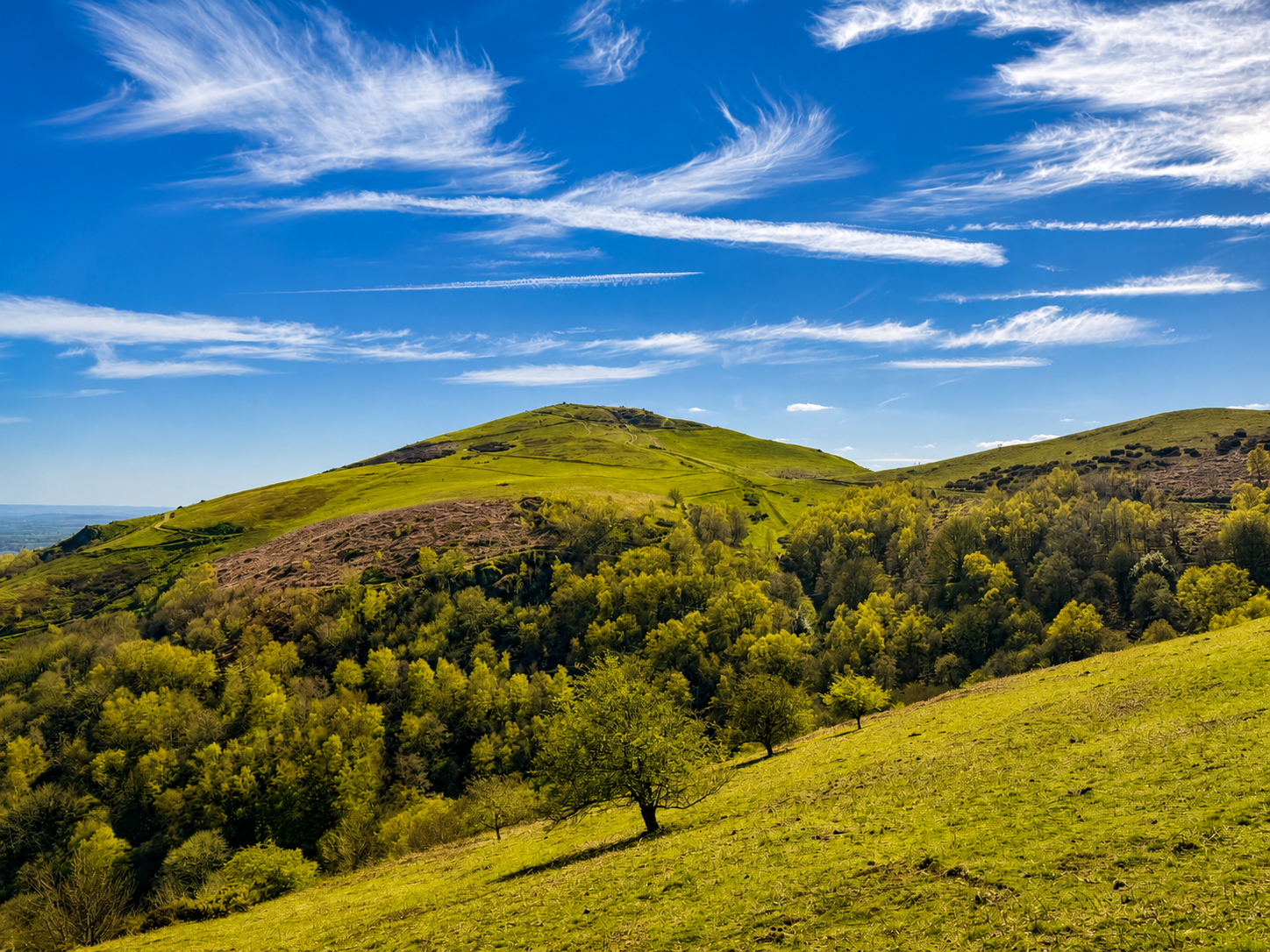
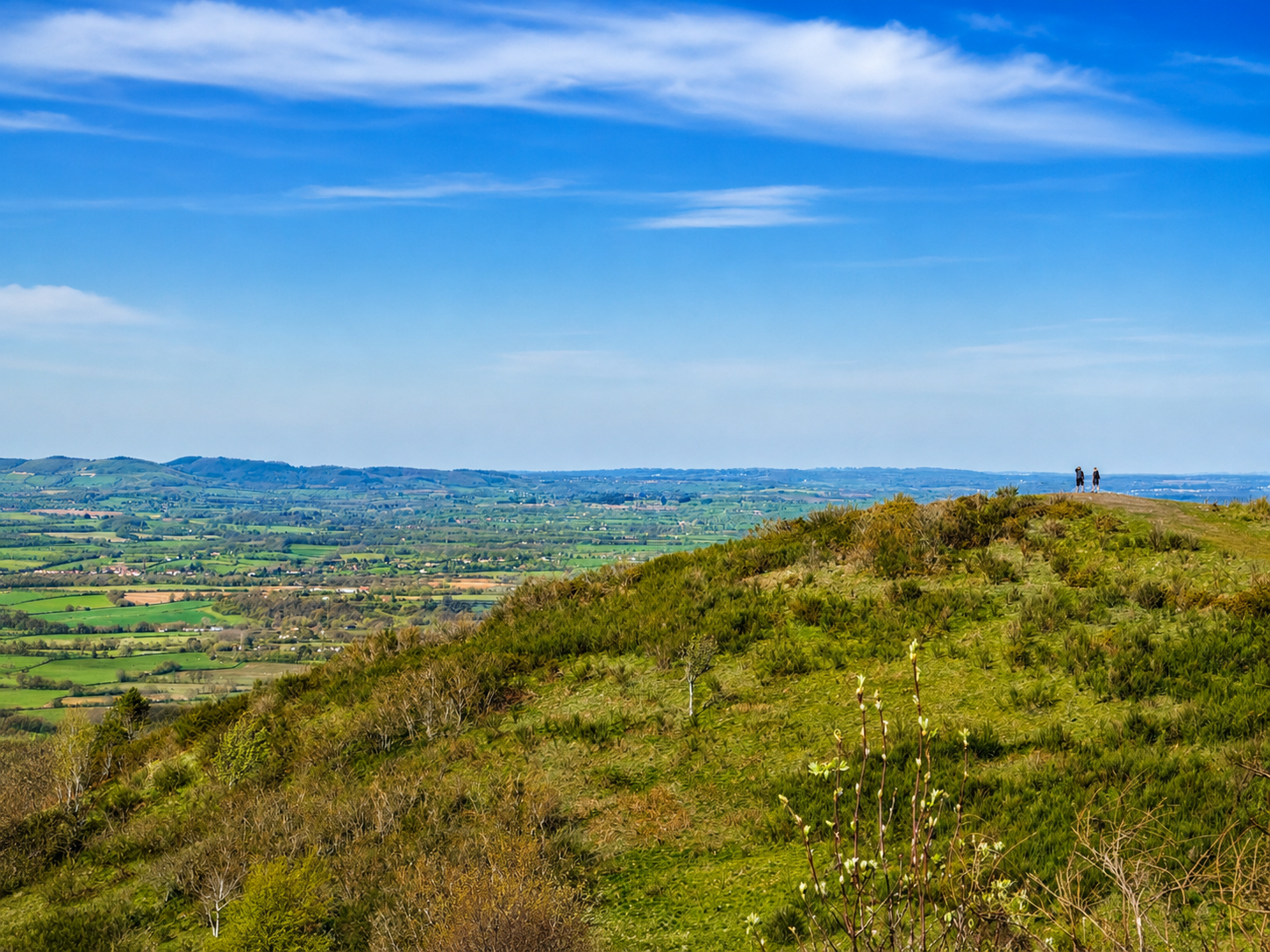
The Malverns are the kind of hills that look invented. They climb suddenly from flat farmland, a long green spine visible for miles, crowned by an Iron Age hillfort and threaded with ancient tracks. If you've ever stood at the top and looked west into Wales or east across Worcestershire, you'll understand why a storyteller might borrow them. As it turns out, one of the most famous storytellers in the English language did exactly that.
The Malvern connection: Tolkien, Lewis and George Sayer
The thread that ties Tolkien to these hills runs through two other men: his great friend C.S. Lewis, and a Malvern schoolmaster named George Sayer.
Lewis knew Malvern well — he was schooled in the town as a boy and kept a lifelong affection for it. Sayer was Head of English at Malvern College, a former pupil of Lewis's and, later, his biographer. Through these friendships, Tolkien became a regular visitor to the town during the 1930s and beyond. The three of them would gather at Sayer's home, call in at the old Unicorn pub, and set off to walk the hills together.
By all accounts, Tolkien and Lewis made an odd walking pair. Sayer left a wonderful description of it: "You should have seen Jack trying to walk with J.R.R. Tolkien! Once Jack got started, a bomb could not have stopped him... Now Tolkien was just the opposite. If he had something to say, he wanted you to stop so he could look you in the face." Lewis strode; Tolkien ambled and talked. And as they walked, Sayer recalled, Tolkien "would often relive the book as they walked, comparing the hills to those of Gondor."
From the Malverns to the White Mountains
That comparison wasn't just idle chat. Sayer maintained that Tolkien himself linked the Malverns to a specific place on the map of Middle-earth: the White Mountains, or Ered Nimrais, the great range that shelters the realm of Gondor. Look at the way the Malvern ridge erupts from the plain and it isn't hard to see the resemblance — a wall of high ground standing over a wide, low country, exactly the effect Tolkien conjures again and again in The Lord of the Rings.
The hills seem to have fed more than one corner of his imagination. Writers and local historians have long pointed to the quarried scars, the deep forests, the old boundary earthwork known as the Shire Ditch and the ancient hillfort of British Camp as the kind of raw material a mind like Tolkien's turned into dwarven mines, Ent-haunted woods and hobbit country. How much is documented fact and how much is affectionate legend is part of the fun — but the core link, in Tolkien's own comparison to Gondor's mountains, is real.
The tape recorder at Malvern
There's one more Malvern moment worth knowing, because it's beautifully specific. In 1952, at George Sayer's home in Malvern, Tolkien encountered a tape recorder for the first time. Delighted by the machine, he sat and recorded himself reading and singing passages from The Hobbit and the then-unpublished Lord of the Rings. Those recordings survive — some of the earliest audio we have of Tolkien performing his own work — and they were made here, in a Worcestershire town at the foot of these hills, two years before The Fellowship of the Ring was finally published on 29 July 1954.

Not just Tolkien: Malvern's literary double act
If the Tolkien link draws you in, know that Malvern has a second literary claim right alongside it. The town's Victorian gas lamps — around eighty of them still glowing in the streets, the churchyard and along Holywell Road — are famously tied to C.S. Lewis and the lamppost that stands in the snowy wood at the edge of Narnia. Local lore has Lewis walking back from the Unicorn with Tolkien and Sayer on a snowy night, catching sight of a lamp burning against the dark, and remarking that it "would make a very nice opening line to a book." Tolkien and Lewis, Middle-earth and Narnia, both stitched into the same small town — it's a remarkable thing for one hillside to hold.
Bring a bottle: the famous Malvern water
There's another reason walkers have been drawn to these hills for centuries, and it bubbles straight out of the rock. The Malverns are famous for their pure spring water — there are well over a hundred springs and wells across the hills, with around seventy spouts where you can still fill a bottle for free as you walk. The water is so prized that Elizabeth I drank it in the 16th century and Queen Victoria reportedly refused to travel without it, and in Victorian times the town grew into a fashionable spa on the strength of its "water cure."
So pack an empty bottle. Pause at a spout like the one at St Ann's Well — a lovely spot above the town, with a little café — and taste the same water that made Malvern's name. It's one of those small, free, only-here pleasures that turns a good walk into a memorable one.

Walk it for yourself
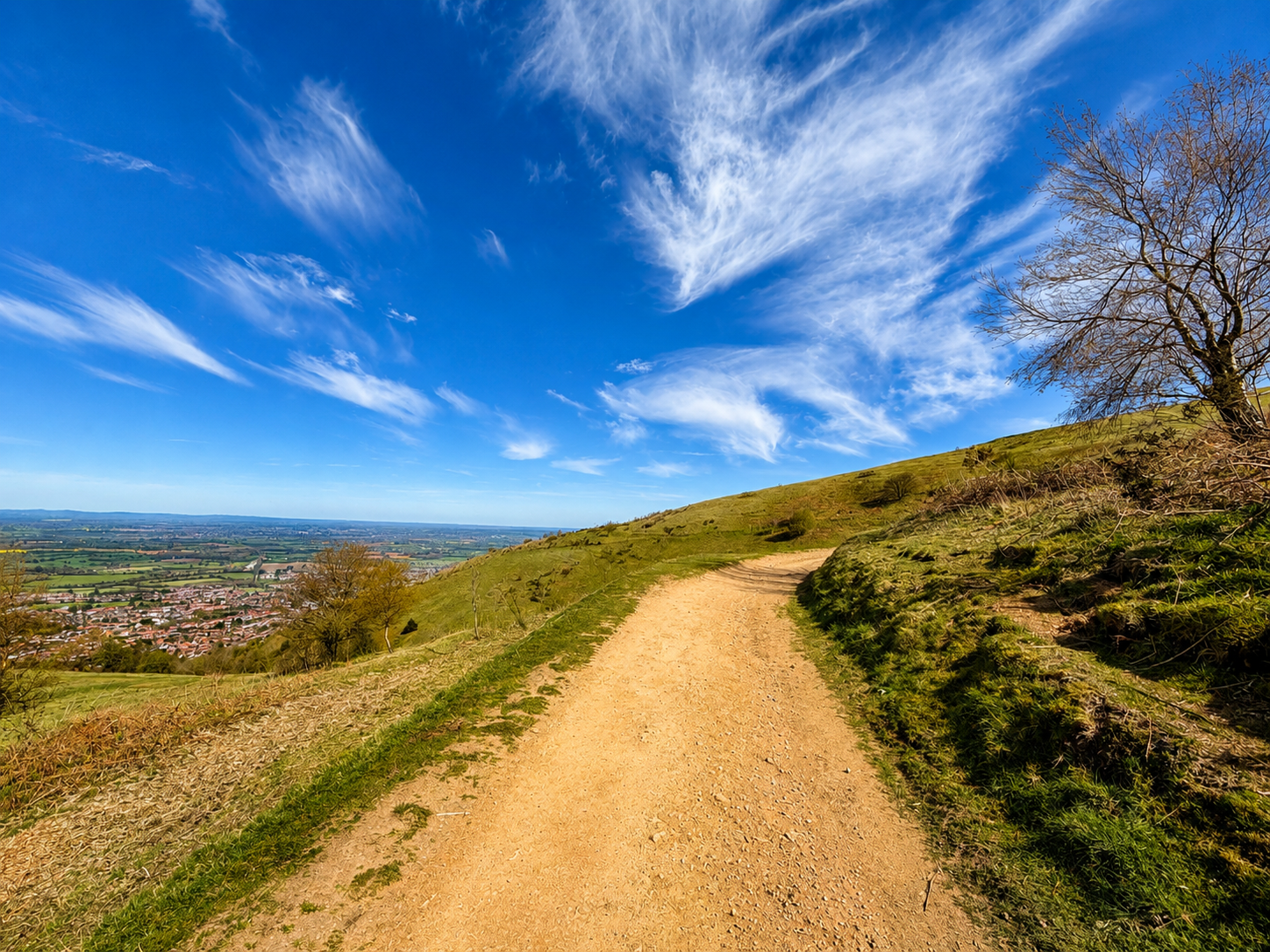
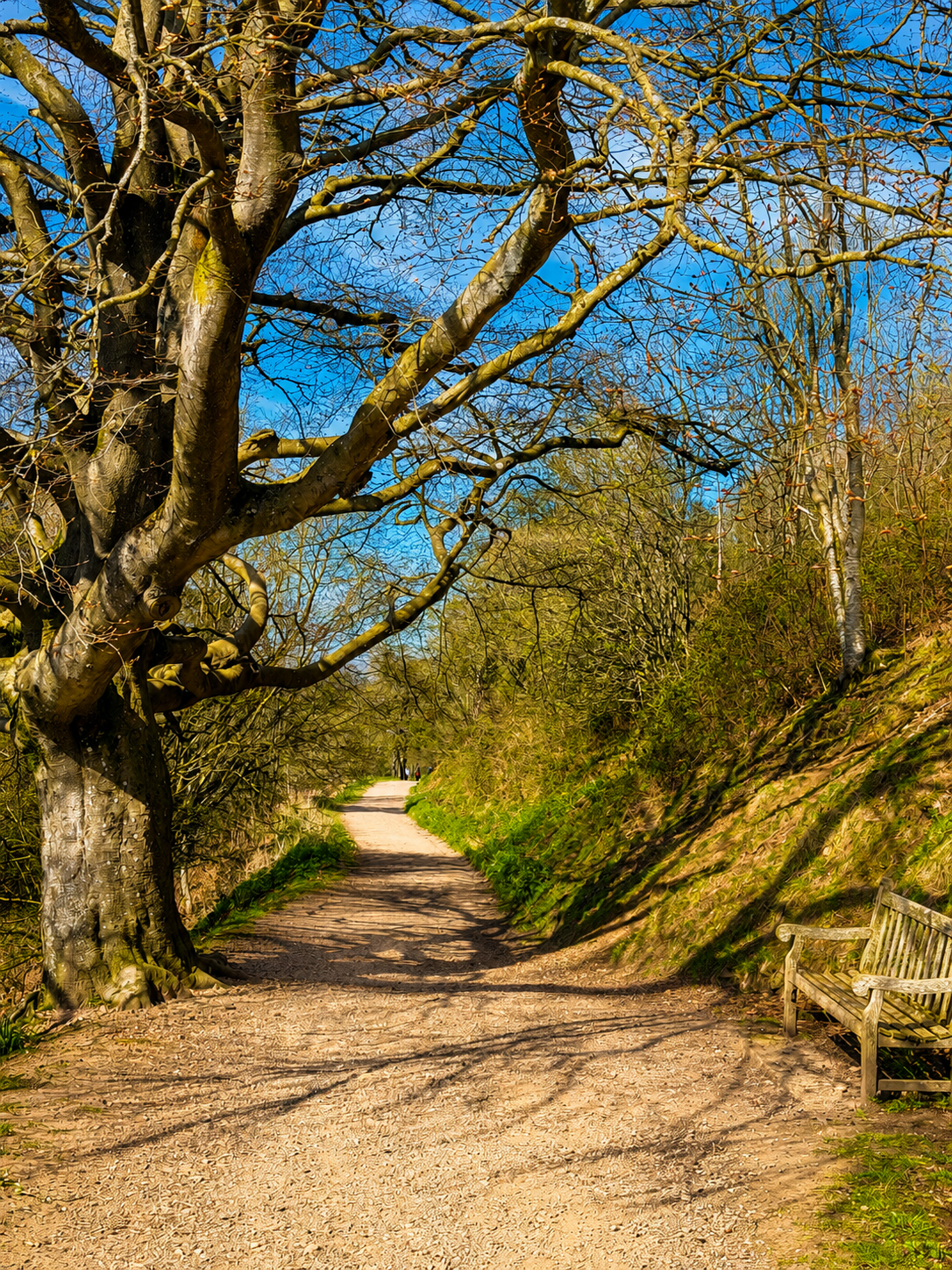
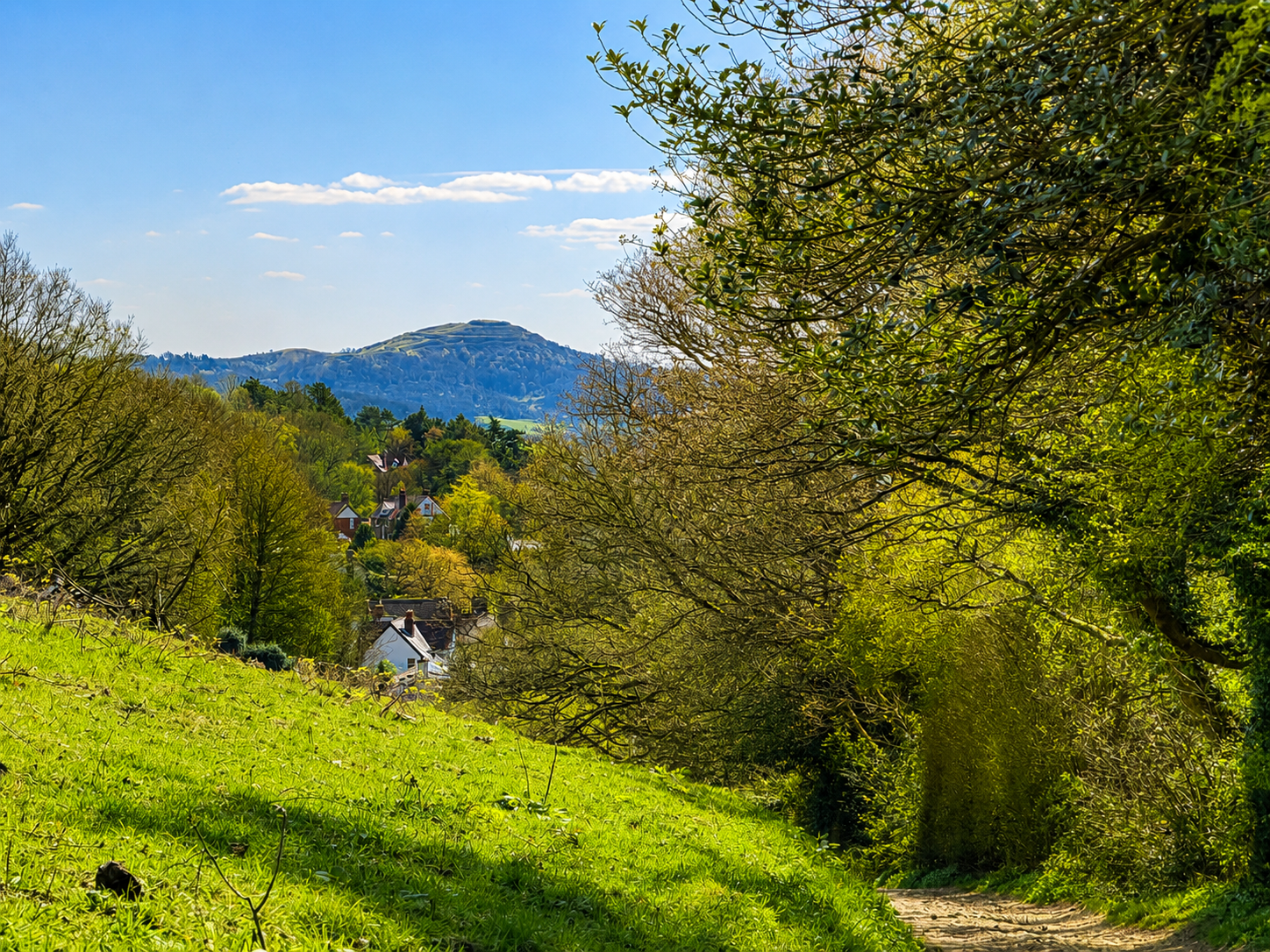
The best part of this story is that you can step straight into it. The route Tolkien knew is still walkable today, taking in British Camp (the Herefordshire Beacon), the Shire Ditch running along the ridge, the old quarries and forest paths, and the views out toward Little Malvern. On a clear day the reward at the top is one of the finest panoramas in England; on a misty or snowy one, it's every bit as Tolkienesque as the legends promise.
Local's tip: the free parking spot most people miss
There's a quiet little parking spot near Hay Slad Spring, Malvern, WR14 4DL where you can leave the car for free... no meters, no fuss. From there you can pick up a lovely circular walk of around five miles that climbs onto the ridge and loops back, taking in the best of the views without doubling back on yourself. It's one of our favourite ways to spend a morning on the hills, and because it's a bit off the beaten track, you'll often have the path largely to yourself. (Ask us when you stay and we'll point you straight to it.)

Make a weekend of it
The Malvern Hills sit within easy reach for a walking break, and there's no better way to appreciate a landscape like this than to wake up beneath it. Base yourself nearby, spend your days on the ridge that may have shaped Middle-earth, and your evenings in the same characterful town that gave Narnia its lamppost.
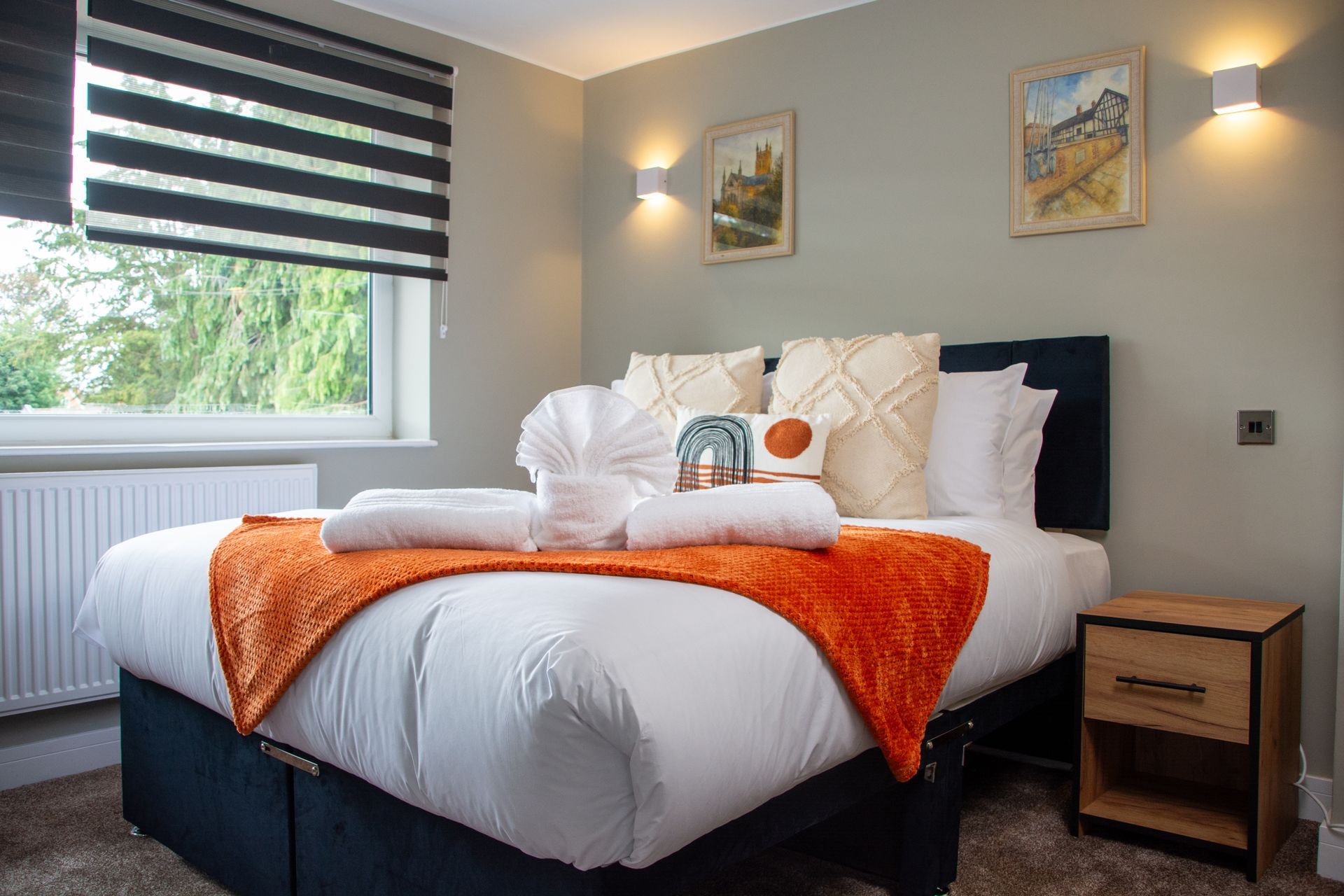
Psst… fancy waking up beneath Middle-earth? Our property, Tudor House, is just 15mins drive from the trailhead — near enough to be on the hills before the crowds, and close to that secret parking spot too. Why stay in a chain hotel miles away when you could roll out of bed and straight onto Tolkien's ridge?
Ready to walk in Tolkien's footsteps? Browse our stays near the Malvern Hills and discover the landscape behind the legend for yourself.

FAQ
Did the Malvern Hills really inspire Tolkien?
Yes, at least in part. According to his friend George Sayer, Tolkien compared the Malvern Hills to the mountains of Gondor and linked them to the White Mountains (Ered Nimrais) in Middle-earth. Tolkien knew the hills well through his friendship with C.S. Lewis and walked them regularly.
What's the connection between Tolkien and C.S. Lewis in Malvern?
The two authors were close friends and often walked the Malvern Hills together, along with Malvern schoolmaster and Lewis biographer George Sayer. Malvern is also linked to Lewis's Narnia through its historic gas lamps.
Where can I walk to follow Tolkien's route in Malvern?
A popular route takes in British Camp (Herefordshire Beacon), the Shire Ditch along the ridge, the old quarries and the forest paths toward Little Malvern — all part of the landscape Tolkien knew.
Which Worcestershire town is the Tolkien and Narnia connection in?
Great Malvern, in Worcestershire, at the foot of the Malvern Hills.
Can you drink the spring water on the Malvern Hills?
Yes. There are around seventy public spouts across the hills where you can fill a bottle for free. St Ann's Well, above Great Malvern, is one of the most popular and easiest to reach.
Recent Posts